何を探していますか?
ページ内バナー
ブログ
  • How to Choose the Best Double Wall Paper Cups for Your Coffee Shop Aug 06, 2026
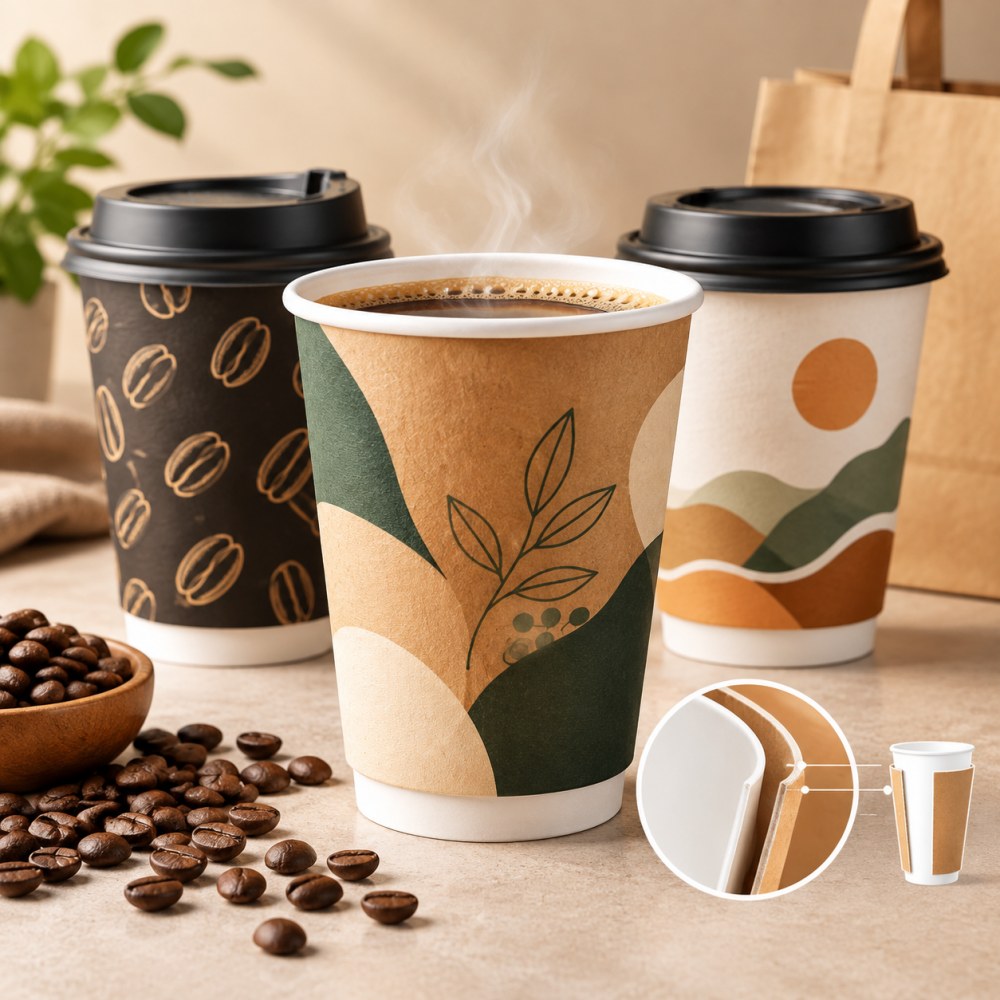
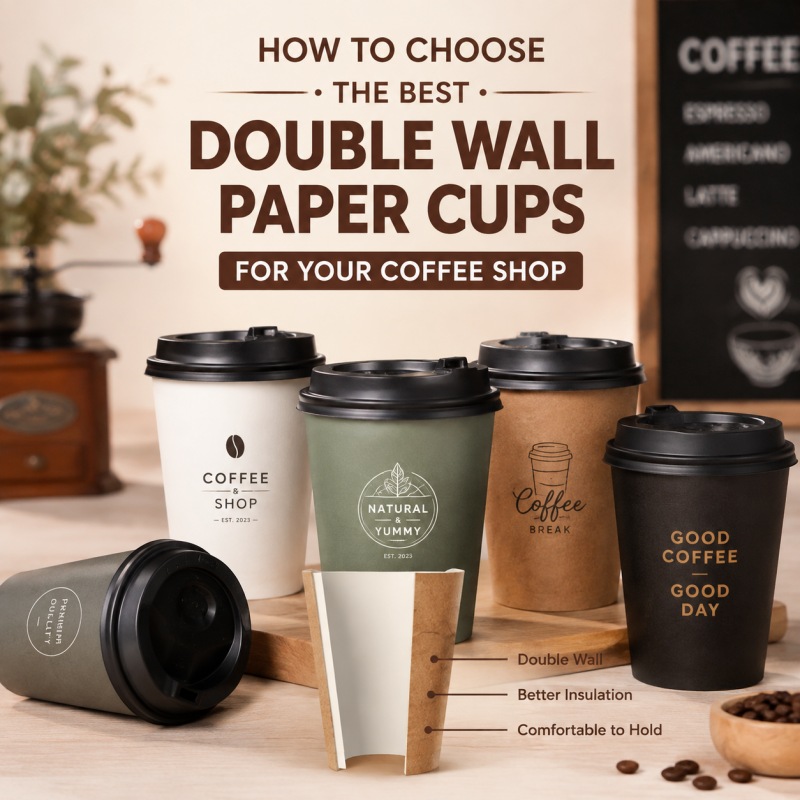
    As a coffee shop owner, your drinkware directly shapes customer satisfaction, brand perception, and daily operational safety. Hot coffee demands containers that protect hands while keeping beverages warm. Choosing high-quality double wall paper cups requires careful evaluation of five essential factors: heat insulation performance, structural durability, lid fitment, custom branding capability, and unit cost. Evaluating physical cup construction prevents costly cafe accidents. Weak sidewalls collapse easily under pressure, and ill-fitting lids cause messy spills. Furthermore, poor insulation forces customers to use extra sleeves, driving up expenses. Inspecting paper firmness, seam tightness, and rim consistency ensures your takeaway cups deliver a safe, premium experience.   Key Takeaways Double wall paper cups keep drinks hot longer and protect customer hands without extra sleeves. High-density paperboard and tight rims prevent messy leaks, cup collapses, and burn accidents. Standardized top rim sizes save valuable storage space and speed up busy coffee service. Custom printed eco-friendly cups improve your brand image and protect the environment.   Evaluate Insulation and Material Quality Advantages of Double Wall Paper Cups You improve daily cafe operations when you select double wall paper cups for your hot beverage menu. The outer paper layer creates an insulating air gap that slows heat loss. This clever physical structure protects your customers' hands from high beverage temperatures. You eliminate the need for separate cardboard sleeves entirely. Removing extra sleeves saves valuable back-of-house storage space. Eliminating sleeves also cuts down drink preparation time during morning rush hours. Proper heat insulation ensures a premium drinking experience for every customer. Superior heat retention maintains your specialty coffee at optimal serving temperatures longer. Extended Thermal Duration: Double-wall paper cups maintain drink temperatures effectively for 20 to over 30 minutes, whereas single-wall alternatives lose heat much faster, lasting only about 10 to 15 minutes. Insulation Mechanism: The structural design incorporates an intentional air gap between two layers of paper, which functions as an insulating barrier that minimizes heat conduction. Metric / Thermal Property Performance Gain of Double-Wall vs. Single-Wall Key Observation / Test Detail Overall Insulation Improvement ~60% better Measured when filled with 95°C hot water Outer Wall Surface Temperature 33%–40% reduction (24°C–27°C lower) Maintains surface near 50°C instead of >80°C Effective Thermal Conductivity 44% lower Trapped 3–5mm air layer approaches air's thermal conductivity Heat Transfer / Temp Rise Rate Reduced to 41.7% of single-wall rate Significantly slows down heat loss over time Using double wall paper cups protects customer comfort while maintaining beverage taste over time. Your customers enjoy hot drinks safely without burning their fingers.   Paper Density and Wall Structure Paperboard density directly dictates physical cup strength and thermal retention. Packaging manufacturers measure paper weight in grams per square meter (GSM). High paperboard GSM prevents sidewall softening when hot liquid fills the container. Choosing a robust disposable double-walled coffee cup keeps structural integrity intact throughout long customer commutes. You must select appropriate thickness ranges for both interior and exterior walls to guarantee maximum product durability in daily cafe operations. High density paperboard provides rigid wall support during daily customer handling. Layer Recommended GSM Range Inner Wall 180 – 250 GSM Outer Wall 200 – 300 GSM Combining these heavy paperboard layers creates a sturdy rigid frame. Higher density paperboard effectively resists internal moisture absorption over time. Proper thickness keeps cup sidewalls firm during firm squeezing. Firm sidewalls protect your customers from accidental cup collapsing or liquid spills. You maintain consistent drink presentation across every service shift by ordering correct material densities. Durable cup walls prevent hot liquids from leaking through weakened paper seams.   Rim Rigidity and Leak Prevention A tightly rolled rim provides essential structural support to the upper cup edge. Firm rim rigidity prevents cup collapsing when customers apply downward pressure to attach drink lids. You safeguard your business against messy spill accidents by verifying rim tightness during sample evaluations. Precise rim circularity ensures an airtight lid seal for busy on-the-go patrons. Uniform rim dimensions stop liquid seepage along side seams during transport. Premium double wall paper cups maintain shape under heavy use, ensuring safe transport for every hot beverage you serve. Strong rims retain structural integrity under continuous handling. You build customer trust when your drink packaging prevents accidental burn injuries and clothing stains. Quality testing guarantees reliable lid fitment across high-volume daily beverage sales.   Select Sizes and Compatible Lids Matching Capacities to Menu Items Selecting correct cup capacities protects original beverage flavor profiles and increases overall customer satisfaction. In North America, offering 4 oz, 8 oz, 12 oz, and 16 oz options covers about 95% of typical menu orders. Core drivers like 12 oz and 16 oz sizes represent 65%–75% of total daily cup volume. Continental European specialty menus rely on a standard 200–300 ml range for takeaway orders, with ~400 ml acting as maximum menu capacity. Matching physical cup volumes preserves intended coffee recipes. An 8oz double wall paper cups design holds cappuccinos within 150–200ml total volume, maintaining rich espresso taste without milk dilution. A 12oz cup holds double espresso shots alongside 250–270ml of steamed milk with proper headroom. Furthermore, a 16oz size accommodates large lattes and cold ice displacement effortlessly.   Securing Leak-Proof Lid Fits Precise lid fitment prevents hazardous drink spills and protects customer safety during busy morning commutes. You must evaluate physical snap-fit lid security against the top rolled rim profile of your chosen double wall paper cups. Strong rim engagement keeps lids anchored tightly when customers apply firm handling pressure. Proper lid closure maintains internal beverage temperature effectively and stops liquid seepage along side paper seams. Weak lid fitment causes dangerous liquid drips during active customer movement. Verifying tight lid seals across daily sample batches protects customer clothing and maintains high service standards.   Standardizing Rim Diameters Standardizing top rim diameters improves daily operational efficiency across your entire beverage menu. Utilizing standardized rim sizes reduces your required cup storage footprint by an estimated 15–20%. Baristas grab universal lid designs quickly during rush periods without searching through matching size variants. Eliminating redundant lid SKUs lowers overall working capital tied up in unused storage inventory. Streamlining rim profiles minimizes drink preparation mistakes during peak operational sales shifts. Equipping your business with a uniform disposable double-walled coffee cup setup speeds up order fulfillment consistently.   Choose Sustainable Double Wall Paper Cups Eco-Friendly Lining Options You must select correct eco-friendly lining materials to reduce environmental impact. Modern cafes prefer sustainable barrier coatings on double wall paper cups over traditional plastic linings. Feature PLA Coating Aqueous Coating Environmental Breakdown Requires industrial composting streams; degrades within 3–6 months. Plastic-free; home or soil compostable; easily recyclable. Thermal Performance Tends to soften above 80°C. Offers high heat resistance. Official certifications verify eco-friendly claims for your shop. Look for BPI certification following ASTM D6868 or ASTM D6400 standards in North America. European markets recognize TÜV Austria testing standards like OK Compost INDUSTRIAL and OK Compost HOME under EN 13432. These certifications guarantee full biodegradation within commercial composting facilities.   Custom Branding with Elements You convert standard drinkware into powerful promotional assets using Elements packaging solutions. Strategic visual design strengthens business identity across every service shift. Converting everyday takeaway items into mobile billboards shifts packaging from a standard operational expense into a strategic marketing investment that enhances brand recognition and fosters long-term customer loyalty. Custom logo printing builds strong brand recall during morning rushes. Customers carrying a customized disposable double-walled coffee cup act as walking advertisements across offices and public transit. Aesthetic packaging also inspires patrons to post photos on social media channels, generating organic marketing reach.   Print Quality and Surface Finishes Selecting advanced printing methods ensures crisp graphics on smooth outer cup walls. Offset Printing: Delivers sharp graphics alongside high color fidelity using precise Pantone color matching. Embossing & Foil Stamping: Provides a tactile finish that adds an elegant look to custom packaging. Food-safe soy and water-based inks deliver vibrant imagery while maintaining strict safety standards. These specialized inks offer thermal stability and appropriate viscosity, so pigments never degrade during hot beverage sales. Strong ink adhesion prevents smudging on customer hands, keeping your printed branding clear and professional.   Analyze Total Cost and Supplier Logistics Calculating True Unit Cost You evaluate total packaging expenditure by looking beyond the base purchase price. Investing in double wall paper cups eliminates the extra cost of separate cardboard sleeves entirely. You calculate actual item expenses using a plain formula: total unit cost = combined cup and freight expense / total volume. Sourcing requirements depend directly on your custom branding goals. Plain stock cups require baseline order volumes between 1,000 and 5,000 units. Basic custom logo prints raise minimum orders to 10,000 units. Complex full-color designs demand larger runs between 30,000 and 50,000 units due to factory printing constraints.   Managing Order Quantities and Storage Safe warehouse protocols preserve the structural strength of every disposable double-walled coffee cup shipment. You store inventory within a temperature range of +5°C to +25°C while maintaining ambient relative humidity near 55%. Humidity levels above 60% cause mold growth, while levels under 40% make paper brittle. You allow new stock to adjust inside sealed packaging for 2 to 4 days before opening. Proper stacking prevents carton damage during seasonal climate shifts. You maintain a clearance distance of at least 45 cm between product stacks and exterior walls to promote air circulation.   Choosing Reliable Supply Partners Partnering with dependable supply vendors like Elements protects your daily cafe operations from inventory shortages. You demand high performance standards, including a minimum 95% on-time delivery rate. Written service level agreements guarantee consistent restocking schedules for your business. Strict quality control protocols keep defective products off your service counter. You verify that your supplier maintains an acceptable quality level with an AQL under 0.4% defect threshold. Physical sample testing across separate production runs confirms rim tightness and wall strength before you sign long-term supply contracts.   Selecting ideal double wall paper cups requires careful evaluation of key performance factors: Superior thermal insulation maintains safe outer temperatures using an integrated air gap. Smooth interior linings prevent sogginess, while high paperboard density maintains structural rigidity. Precise rim dimensions prevent leaks, and FSC-certified paper supports environmental sustainability. Non-smudge custom printing using food-safe inks enhances brand visibility on takeaway orders. Audit your current drinkware inventory today. You should request sample kits from Elements to evaluate physical cup quality, heat retention, and lid security directly. Contact Elements now to place an order that aligns with your daily operational needs and budget goals.   FAQ Why should you choose double wall paper cups over single wall cups with sleeves? Double wall paper cups feature an integrated air gap that improves thermal insulation by about 60%. This design eliminates separate cardboard sleeves entirely, saving valuable back-of-house storage space and speeding up drink preparation during peak morning rush hours while keeping customer hands comfortable. What minimum order quantities should you expect for a customized disposable double-walled coffee cup? Order minimums depend directly on your design requirements. Plain stock cups require baseline orders between 1,000 and 5,000 units. Basic custom logo prints raise minimum order quantities to 10,000 units, while full-color custom artwork requires larger runs between 30,000 and 50,000 units. How long do double wall paper cups keep hot beverages warm? Quality double wall paper cups maintain serving temperatures effectively for 20 to over 30 minutes. The trapped air layer lowers effective thermal conductivity by 44%, slowing drink heat loss significantly compared to single-wall alternatives that lose warmth within 10 to 15 minutes. How do you verify eco-friendly claims for your disposable double-walled coffee cup inventory? You verify sustainability claims by checking product certifications directly. Look for BPI certification following ASTM D6868 or ASTM D6400 standards in North America. For European distribution, confirm TÜV Austria ratings such as OK Compost INDUSTRIAL under EN 13432 to ensure full commercial breakdown.
  • The Ultimate Guide to Water-Based Barrier Coating for Paper Cups The Ultimate Guide to Water-Based Barrier Coating for Paper Cups Jul 29, 2026
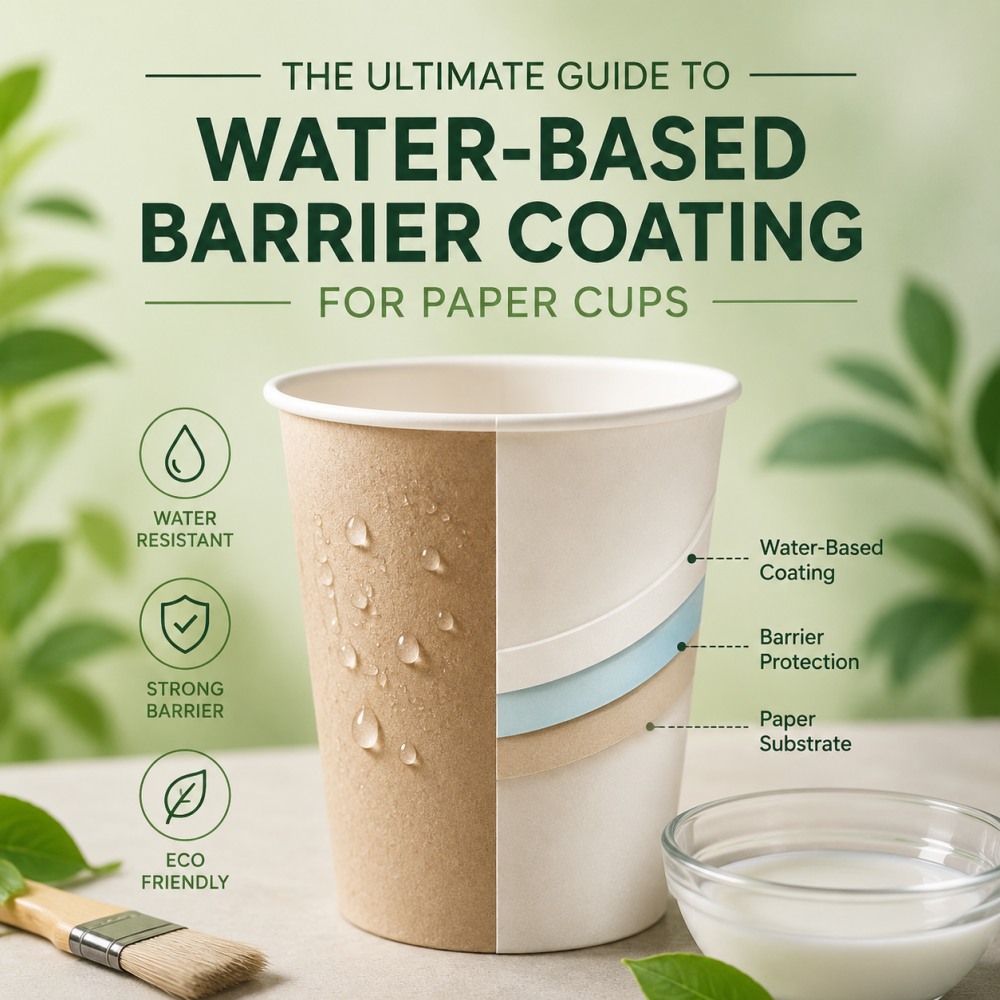
    You see water based coating paper cup solutions gaining attention because they use innovative, plastic-free technology. This approach supports the move from plastic to paper food packaging. Water-based coatings help you meet strict environmental standards. Recent regulations push for eco-friendly materials. Regulation Impact on Water-Based Coatings SUPD Promotes compliance with recycling standards, encouraging environmentally friendly materials. PPWR Drives the shift towards materials that align with circular economy principles, reducing compliance risks. You can choose options that comply with SUPD and PPWR, using bio-based materials for a sustainable future.     Key Takeaways Water-based coatings provide a plastic-free solution for paper cups, aligning with environmental regulations and reducing plastic waste. These coatings enhance recyclability, allowing cups to be processed with regular paper, which helps minimize landfill waste. Water-based coatings improve food safety by avoiding harmful chemicals and reducing the risk of microplastics in beverages. Choosing water-based coatings supports a positive brand image, appealing to consumers who prioritize eco-friendly products. Investing in water-based coating technology can lead your business towards sustainability while maintaining product performance.   What Is Water Based Coating Paper Cup? How Water-Based Barrier Coating Works You may wonder how a water based coating paper cup achieves its protective qualities without plastic. The answer lies in the dispersion technique. Manufacturers apply a liquid water-based dispersion directly onto the paperboard. This layer dries to form a thin, flexible barrier that keeps liquids from soaking through the cup. The process does not require a plastic film, which makes the cup easier to recycle. The chemical makeup of the dispersion is important. It contains emulsifiers and hydrophobic materials. These ingredients work together to block water, grease, and oil. You get a cup that holds both hot and cold drinks without leaking. The absence of a plastic film means you can recycle these cups in standard paper streams. This method supports the growing demand for water barrier coated cups and sustainable packaging. Tip: The dispersion technique not only improves recyclability but also helps you meet strict environmental standards. Key Benefits for Food Packaging Switching to a water based coating paper cup brings several advantages for food packaging. First, you avoid plastic entirely. The coating dissolves back into water during recycling, so it does not create microplastics. This feature allows you to recover up to 99% of the paper fibers, making the cup fully recyclable. You also meet the requirements of regulations like SUPD and PPWR, since the coating does not count as a plastic layer under EU rules. Here are some key benefits you gain when you choose a water based coating paper cup: Plastic-Free Solution: You eliminate the need for traditional plastic films, which helps your business align with new environmental laws. High Recyclability: The coating allows almost all paper fibers to be recovered, so you can recycle these cups with regular paper products. Improved Compostability: The coating breaks down more easily than plastic, which supports better waste management and composting. Enhanced Performance: The barrier resists water, grease, and oil, so your drinks and foods stay contained without leaks or soggy paper. You play a role in reducing plastic waste and supporting a circular economy when you use barrier coating for paper cups. This approach also helps you build a positive brand image. Customers notice when you choose eco-friendly options like paper cup coating. As more businesses and consumers look for sustainable choices, water based coating paper cup solutions stand out as a smart and responsible option.   Water-Based vs PE and PLA Coatings Composition and Application Differences You need to understand how the materials in paper cup coatings differ. Water-based coatings use a blend of water, natural materials like starch and cellulose, minerals, and some synthetic polymers. PE coatings rely on polyethylene, a type of plastic. PLA coatings come from renewable resources such as corn starch. Here is a table that shows the differences in composition and application: Coating Type Composition Details Environmental Impact Performance Characteristics Water-Based Blend of water, natural materials (starch, cellulose), minerals, synthetic polymers Biodegradable, eco-friendly Compostable, suitable for various applications PE Polyethylene Non-biodegradable, recycling challenges Excellent moisture and grease resistance PLA Derived from renewable resources (corn starch) Biodegradable under industrial composting Food grade, high strength, resistance to heat, water, and grease You see that water-based coatings offer a plastic-free solution. You can apply them directly to paperboard using a dispersion technique. PE and PLA coatings require extrusion or lamination, which adds complexity to manufacturing. Water-based coatings make recycling easier because they do not create microplastics. Another table highlights application differences: Coating Type Durability Environmental Impact Cost Compostability Ideal Use Case PE High Poor Low No Cost-driven mass production PLA Medium Good Medium Industrial composting Sustainable brands Water-Based Medium Excellent Medium-High Yes Eco-friendly packaging You can see that water-based coatings fit best for eco-friendly packaging and brands that value sustainability. PE coatings suit mass production where cost matters most. PLA coatings work for brands that want renewable materials but need industrial composting.     Efficiency and Performance You want your paper cup coating to perform well and stay cost-effective. PE coatings offer the lowest cost and excellent performance. PLA coatings cost more but provide good strength and resistance. Water-based coatings cost the most but match PE in performance. Here is a comparison table: Feature PE Coating PLA Coating Water-Based Coating Cost Lowest Medium Highest Performance Excellent Good Excellent You notice that water-based coatings deliver excellent performance. They resist water, grease, and oil, making them suitable for hot and cold drinks. PE coatings have high durability and moisture resistance. PLA coatings offer moderate durability and moisture resistance. Another table shows performance metrics: Coating Type Durability Moisture Resistance Environmental Impact PE High Excellent Moderate PLA Medium Moderate High Water-Based Medium Low Very High You see that water-based coatings excel in environmental impact. PE coatings last longer and resist moisture better, but they pose recycling challenges. PLA coatings perform well but need special composting facilities. Note: Water-based coatings help you meet strict environmental standards without sacrificing performance. You can use water barrier coated cups for a wide range of beverages and foods.   Environmental Impact You want to choose a coating that supports sustainability. Water-based coatings stand out because they work with modern recycling systems. You can recycle them with regular paper, which enhances their recyclability. PE coatings create recycling challenges, and PLA coatings need industrial composting. Water-based coatings can be repulped during recycling. You reduce waste and maintain cup strength. You find water-based coatings more compatible with recycling systems than PE and PLA coatings. Water-based coatings lower the environmental footprint. You enable better recycling and reduce energy use during production. PLA coatings require industrial composting. PE coatings are difficult to recycle and pose sustainability challenges. You play a key role in reducing waste when you choose barrier coating for paper cups. Water-based coatings support a circular economy and help your business meet environmental goals. Customers appreciate eco-friendly choices like water based coating paper cup solutions. You build trust and show responsibility by selecting sustainable packaging.   Food Safety and Microplastics Food Contact Safety Standards You want your water based coating paper cup to meet strict food safety standards. Manufacturers design these coatings to avoid harmful chemicals. You can see the main features in the table below: Feature Description Non-toxic Water-based coatings are free from harmful chemicals like PFAS, BPA, and VOCs. Biodegradable These coatings are eco-friendly and compostable, making them sustainable. Moisture and oil resistance They provide high resistance to moisture and oil, essential for food safety. You can trust water barrier coated cups to protect your drinks and foods. These coatings resist moisture and oil, so your food stays safe. You avoid exposure to toxic substances. You also support sustainability because the coatings break down naturally. Tip: Always check if your paper cup coating meets recognized food contact standards. This helps you ensure safety for your customers. Studies show that migration of chemicals depends on the type of food and the medium. You can see the findings in the table below: Study Findings Key Factors Influencing Migration Xu et al. (2010) Phthalate migration varied significantly, with higher rates in edible oils compared to mineral water. Lipophilic properties of food Baele et al. (2020) Higher migration levels in high-fat foods like chocolate and biscuits. Fat content of food Kubwabo et al. (2009) BPA migration rates differed between ethanol and water, indicating medium influence. Medium of contact (water vs. ethanol) You see that water-based coatings minimize migration risks, especially when compared to plastic linings.   Microplastics and Health Concerns You want to avoid microplastics in your barrier coating for paper cups. Water based coating paper cup solutions help you achieve this goal. Here are the main ways these coatings address microplastic concerns: The elimination of polyethylene (PE) plastic linings reduces the risk of microplastics being released into beverages. Water-based coatings use safe materials for food contact and do not leach harmful chemicals. These coatings are compostable and recyclable, contributing to sustainability and reducing plastic waste. Microplastics pose health risks. You should know the facts: Microplastics can release harmful chemicals like phthalates, PFAS, and BPA into food, which are known endocrine disruptors. These chemicals have been linked to various health issues, including cancer and reproductive problems. A 2023 study indicated that prenatal exposure to phthalates can lead to behavioral and learning disorders in children. Microplastics have been detected in various human body parts, raising concerns about their health impacts. You protect your customers when you choose water barrier coated cups. You reduce the risk of microplastics and harmful chemicals. You also support a healthier environment with sustainable paper cup coating options.   Recyclability and End-of-Life Recycling Water Based Coating Paper Cup You can recycle water based coating paper cup products easily. These cups fit into standard paper recycling streams. Facilities sort them alongside regular paper, and you do not need extra treatment. The recycling technology already exists, so you can repulp these cups without difficulty. Many recycling centers classify them under the PAP 22 code, which means you avoid complex separation steps. You help reduce landfill waste when you choose water barrier coated cups. Cup Type Recycling Capability Water-Based Coated Cups Can be recycled in standard paper streams PE-Coated Cups Cannot be recycled due to the plastic layer PLA-Coated Cups Faces recycling issues similar to PE   Compostability and Biodegradability You support composting and biodegradation when you select barrier coating for paper cups. Water-based coatings break down naturally. You can compost these cups at home or in industrial facilities. The coating dissolves in water and integrates with paper fibers, so it does not leave harmful residues. You improve waste management and help create nutrient-rich compost. PE-coated cups do not compost, and PLA-coated cups require special industrial composting. Tip: Always check local composting guidelines to ensure proper disposal of paper cup coating products.   End-of-Life Comparison You make a positive environmental impact when you choose water barrier coated cups. The end-of-life outcomes differ for each coating type. Water-based cups recycle or compost easily. PE-coated cups usually end up in landfills. PLA-coated cups need industrial composting and often face recycling challenges. Aspect Water-Based PE-Coated PLA-Coated Recyclability High in paper streams Low/specialized Limited Compostability Yes None Industrial only Common End Recycle/compost Landfill Landfill/compost Water-based barrier coated cups are fully water-soluble and integrate with fiber. You can dispose of them in standard mixed-paper or cardboard recycling bins. You help close the loop in packaging sustainability when you use water based coating paper cup solutions. You support recycling, composting, and a cleaner environment.   Real-World Performance Barrier Properties and Liquid Holdout You expect water barrier coated cups to keep drinks contained without leaks. Water-based barrier coatings form a strong layer on the paperboard. This layer prevents water from soaking through, even with hot or cold beverages. You can rely on these cups for coffee, tea, or juice. The coating maintains the cup’s shape and strength, so you avoid soggy paper and spills. Manufacturers design water based coating paper cup products to match the performance of traditional plastic linings. You get reliable liquid holdout and a sustainable solution. Tip: Water-based coatings help you serve drinks confidently, knowing the cup will not fail during use.   Grease and Oil Resistance You need barrier coating for paper cups that can handle greasy foods and oily drinks. Water-based barrier coatings create a plastic-free shield that resists grease, oil, and water. You find that these coatings perform as well as polyethylene, keeping liquids and oils inside the cup. The barrier composition gives substantial resistance to oil and grease, so you avoid leaks and stains. Description Type of Resistance The coating resists water, oil, and grease. Substantial resistance Water, oil, and grease cannot easily go through the barrier coating. Effective barrier The barrier composition gives resistance to oil, grease, and water. Effective barrier You can use water based coating paper cup solutions for beverages with fatty acids. The cups maintain their structure and prevent leaks, even with oily substances. Compared to polyethylene coatings, water-based options are easier to recycle and more eco-friendly.   User Experience You notice several benefits when you choose water barrier coated cups. The water-based dispersion coating protects paper from moisture and supports composting or recycling. You do not need to separate layers, which simplifies disposal. These cups meet strict safety standards and receive FDA approval for food contact. Businesses appreciate the appeal of compostable and recyclable materials. Innovations in renewable resources and water-based barrier systems enhance sustainability. Water-based coating is eco-conscious and protects paper from moisture. Cups can be composted or recycled without separating layers. Approved for food contact by the FDA. Higher production costs due to complex application. May not suit all products, such as carbonated beverages. You help your business stand out by using paper cup coating that supports environmental goals. Customers value the sustainable choice and enjoy a reliable, safe drinking experience.   Regulatory Compliance Global Regulations Overview You need to understand the global regulations that affect water based coating paper cup solutions. These rules help you ensure safety and sustainability for your products. Many countries set strict standards for food contact materials. You see agencies like the FDA in the United States and EFSA in Europe leading the way. Brazil uses ANVISA, while South America follows Mercosur guidelines. National regulations in Germany, Switzerland, and Canada also play a role. Regulation Description FDA United States Food and Drug Administration regulations for food safety. EFSA European Food Safety Authority regulations applicable in the EU. ANVISA Brazilian Health Regulatory Agency standards. Mercosur Regulations from the South American Common Market. National regulations Various national regulations from countries like Germany, Switzerland, and Canada. You must check these regulations before choosing a barrier coating for paper cups. Each region sets its own requirements for paper cup coating and water barrier coated cups. You protect your customers and your business by following these rules.   Certifications and Standards You want your water based coating paper cup to meet recognized certifications and standards. These certifications show that your products are safe for food contact and meet environmental goals. You should look for compliance with FDA 176.170 for direct food contact in North America. In Europe, Bfrxxxvi is the standard for direct food contact. Your cups must also show heat resistance up to 176°F. FDA 176.170 compliance for North America Bfrxxxvi compliance for Europe Heat resistance up to 176°F You can ask suppliers for certificates and test reports. These documents prove that your water barrier coated cups meet all safety and quality standards. You build trust with customers when you use certified barrier coating for paper cups. You also avoid legal risks and support sustainable packaging. Tip: Always verify certifications before sourcing paper cup coating solutions. This step helps you ensure compliance and quality.   Choosing the Right Solution Assessing Business Needs You need to evaluate your business requirements before selecting a water based coating paper cup solution. Start by considering key criteria that affect both performance and sustainability. The table below helps you compare important factors: Criteria Description Packaging approval requirements Focus on material composition and recyclability early in design. Recycling and fiber recovery focus Choose coatings that support fiber recovery and fit recycling systems. Water-based coating adoption Look for solutions that apply easily on existing production lines. Multifunctional coating solutions Seek coatings that protect against grease, moisture, and allow heat sealing in one layer. Sustainable foodservice packaging Select coatings that boost performance and support recycling goals. Low-coating-weight technologies Prefer coatings that deliver barriers with less material and lower drying needs. Lengthy approval process Ensure coatings perform well during production and storage to avoid delays. Food-contact compliance requirements Confirm coatings meet food safety and regulatory standards for your market. Production efficiency challenges Check for suitable drying capacity and stable conditions for water-based coatings. You should also weigh procurement considerations. Water-based coatings are eco-friendly and break down easily in nature, reducing waste. However, they often cost more than traditional PE coatings. Some coatings may not match PE in heat or grease resistance, which can limit use for certain foods or drinks. Availability may be limited, so sourcing can take extra time. Always consider regulatory readiness, product safety, heat performance, and how consumers view your packaging.   Sourcing and Supplier Tips When you source water barrier coated cups or barrier coating for paper cups, ask suppliers detailed questions to ensure you get the right product. Use the table below to guide your discussions: Supplier Claim Follow-Up Question “Hot cup grade” What beverage temperature, hold time, and cup format was this designed for? “Food grade” Which product, coating, use condition, and target market does the documentation cover? “Compostable” What certification or test evidence supports this, and does it apply to the full cup and coating? “Recyclable” In which market or collection system is this claim intended to apply? “Leakproof” What testing method or service condition supports the claim? “Suitable for coffee” Does that include milk-based, sweetened, or extended-hold beverages? “Eco” or “sustainable” Which specific attribute is being claimed, and what evidence supports that wording?   You should request certifications and test reports for any paper cup coating. Brands like elementscup provide documentation for food safety, compostability, and recyclability. This helps you verify claims and ensures your water based coating paper cup meets all standards. By asking the right questions, you can confidently choose water barrier coated cups that align with your business goals and sustainability values. You gain several advantages when you choose water based coating paper cup solutions: Water barrier coated cups offer a plastic-free, recyclable option that meets food safety standards. You help reduce landfill waste by allowing cups to be sorted with regular paper. Barrier coating for paper cups supports your brand’s environmental goals and aligns with consumer demand for eco-friendly products. Solenis and other providers offer paper cup coating technologies that match traditional performance while improving sustainability. You can invest in equipment, secure renewable materials, and educate customers to support your transition. By adopting these solutions, you lead your business toward a greener future.   FAQ What makes a water based coating paper cup different from a regular paper cup? You get a water based coating paper cup that uses a plastic-free barrier. This coating keeps liquids inside the cup. Regular paper cups often use plastic linings, which make recycling harder. Can you recycle water barrier coated cups with regular paper? Yes, you can recycle water barrier coated cups in standard paper streams. The coating dissolves during recycling, so you recover most of the paper fibers. Always check your local recycling guidelines. Are barrier coating for paper cups safe for hot drinks? You can safely use barrier coating for paper cups with hot beverages. These coatings resist heat and prevent leaks. Manufacturers design them to meet strict food safety standards. Do paper cup coating solutions contain harmful chemicals? No, paper cup coating solutions avoid harmful chemicals like PFAS and BPA. You get a safe product for food contact. Always ask your supplier for safety certifications. How do water based coating paper cups help the environment? You help the environment by choosing water based coating paper cups. These cups reduce plastic waste, support recycling, and break down more easily than plastic-lined cups. Customers notice your commitment to sustainability.
  • 持続可能な食生活への転換:現代の食品包装が紙製へと移行する理由 持続可能な食生活への転換:現代の食品包装が紙製へと移行する理由 Jul 26, 2026
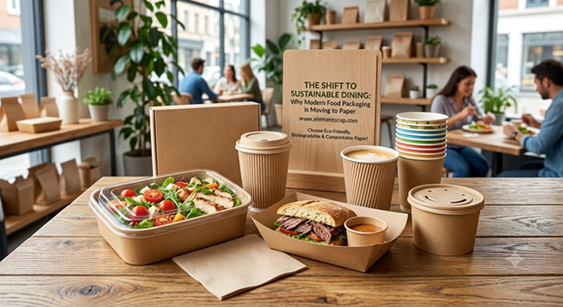
    今日のフードサービス業界において、デリバリーとテイクアウトはもはや単なる便利なオプションではなく、ビジネス成功の中核を成す要素となっています。しかし、テイクアウトの注文量が増加するにつれ、包装廃棄物に対する消費者の意識も高まっています。環境問題への懸念と政府規制の強化により、従来の使い捨てプラスチックや発泡スチロール容器は世界中で急速に廃止されつつあります。 レストラン、カフェ、ケータリング業者にとって、持続可能な紙製包装材への切り替えはもはや単なる流行ではなく、不可欠な経営戦略となっている。 1. 環境への必然性:使い捨てプラスチックを超えて 従来のプラスチック容器は分解されるまでに数世紀を要し、微細な破片となって生態系や海洋に流れ込む。一方、紙製の食品包装材は、FSC認証を受けた森林木材パルプや成長の早い竹繊維など、再生可能な資源から作られている。 水性(水系)バリアコーティングやPLA(ポリ乳酸)植物由来ライニングなどの現代的な環境に優しいバリアと組み合わせることで、紙容器は以下の利点を提供します。 産業用および家庭用コンポスト化の可能性: 有害な残留物を残さずに自然に分解される。 二酸化炭素排出量の削減: 石油由来プラスチックと比較して、製造ライフサイクル全体を通して温室効果ガス排出量が少ない。 PFASフリーの安全性: 有害なフッ素系「永久化学物質」を排除しつつ、耐油性および耐水性を維持する。 2. 高性能と実用性の融合 かつては、紙容器は油っぽい液体や熱い液体に耐えられないという誤解が一般的だった。しかし、今日の製造技術革新は状況を一変させた。 漏れ防止スープ&飲料カップ: 二重構造や波型構造の紙コップは、追加のスリーブを必要とせずに温かい飲み物を優れた保温性で保ち、特殊な紙製の蓋はしっかりと密閉してこぼれを防ぎます。 耐油性・耐水性: 天然クラフト紙製の食品箱や仕切り付き弁当箱は、食品グレードの水性バリアでコーティングされており、ソースや油が染み込むことなく、中身がこぼれるのを防ぎます。 電子レンジとオーブンの安全対策: 高温下で変形したり化学物質が溶け出したりする可能性のあるプラスチック容器とは異なり、高性能な紙製食品容器は再加熱にも安全に対応できる。 3. カスタマイズによるブランドアイデンティティの向上 パッケージは、多くの場合、お客様がテイクアウト食品と最初に触れる物理的な接点です。無地のブランドのないプラスチック容器は、商品であることを伝えます。カスタム印刷された自然な質感の紙製パッケージは、 品質、ケア、そして持続可能性. 紙製パッケージをカスタマイズすることで、食品サービスブランドは以下のことが可能になります。   環境への取り組みを紹介する: 生分解性素材を使用していることを容器に直接明記してください。 プレゼンテーションを強化する: 透明な窓付きのランチボックスと、すっきりとしたモダンなフォルムが、料理の色と新鮮さを際立たせます。 ブランド認知度を高める: 鮮やかで食品に安全なカスタムロゴとカスタムカラースキームは、あなたの料理を印象深く、ソーシャルメディアで共有したくなるものにします。 4. メニューに最適な紙製パッケージを選ぶ 料理の種類によって、熱、食感、見た目の美しさを維持するために、それぞれに合った包装ソリューションが必要となる。 食品カテゴリー 推奨される紙溶液 主なメリット 温かい飲み物とスープ 二重構造の紙コップと紙製スープ容器 断熱性、漏れ防止性、PFASフリー サラダ&フレッシュミールキット クラフト紙製窓付きランチボックス&透明PET蓋 高い視覚的魅力、新鮮な保存状態 ハンバーガー、フライドポテト、揚げ物 折りたたみ式クラフトカートン/通気孔付き段ボール箱 サクサクとした食感を保ち、油をはじく裏地付き アジア料理と弁当 仕切り付き紙製弁当箱 異味を防ぎます 環境に配慮した取り組みには、Elements Packagingと提携しましょう。 で エレメンツ・パッケージング当社は、FSC認証紙コップ、水性バリアコーヒーカップ、クラフト食品箱、紙製スープボウル、堆肥化可能なカトラリーなど、環境に優しい使い捨て包装ソリューションを幅広く製造しています。耐久性を重視し、地球環境への配慮を念頭に設計された当社のカスタムOEM/ODM包装は、世界中の食品サービス企業が持続可能性へとスムーズに移行できるよう支援します。 テイクアウト用パッケージのアップグレードをお考えですか? カスタムサンプルをご希望の方、または卸売ソリューションについて詳しく知りたい方は、今すぐ当社のデザインチームまでお問い合わせください。
  • 小さな選択が大きな影響を生む:環境に優しいテイクアウト用パッケージが消費者のロイヤルティを高める方法 小さな選択が大きな影響を生む:環境に優しいテイクアウト用パッケージが消費者のロイヤルティを高める方法 Jul 18, 2026
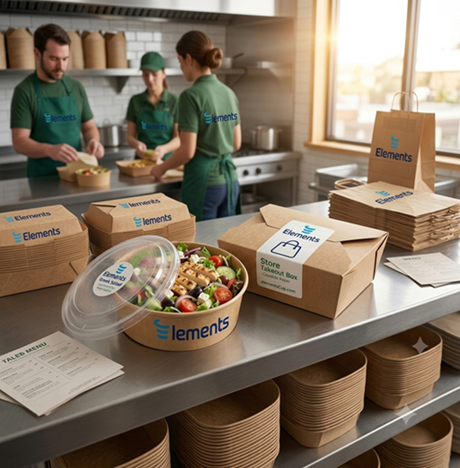
    現代の食経済において、食事体験は配達のために料理が梱包された時点で終わるわけではありません。現代の消費者は環境意識が非常に高いのです。持ち帰り用の料理がリサイクル不可能な発泡スチロールや使い捨てプラスチックの重たい包装材で何重にも包まれて届くと、環境に対する罪悪感がいつまでも残ります。一流の紙製食品包装メーカーであるエレメンツ・パッケージングは​​、この行動の変化を注意深く見守ってきました。今日、持続可能な包装を選ぶことは、もはや単なる規制上の要件を満たすためだけのものではありません。—これは、顧客の長期的なロイヤルティを構築するための最も効果的なツールの1つです。持続可能なパッケージングの心理学美しく作られた生分解性の紙製ランチボックスや、天然素材のクラフト紙製麺器から食事を取り出した瞬間、お客様のレストランに対する印象は一気に高まります。高品質な紙製食品包装の自然な質感と洗練された美しさは、ブランドの価値観を物語っています。「私たちは、食品に使う食材を大切にし、そして私たちが残す地球環境を大切にしています。」多くの消費者は、環境に配慮した取り組みに賛同する店舗を積極的に探しています。実際、堆肥化可能な紙箱や紙袋、あるいは簡単にリサイクルできる紙箱や紙袋を提供することで、企業は競争優位性を獲得し、顧客が「また注文する」ボタンをクリックし続けるようになります。シームレスな機能性と循環型経済の融合ファストカジュアルレストランにとって共通の懸念事項は、環境に優しい代替品が、配達ドライバーや配達アプリの厳しい要求に対応できるかどうかです。当社の電子レンジ対応紙容器と耐油性食品用紙トレイの専門ラインは、持続可能性の実現がいかに困難であるかを証明しています。これらの製品は、高い積み重ね荷重に耐え、温度を維持し、液漏れを防ぐように特別に設計されています。自然分解性があり、リサイクルサイクルにスムーズに再投入できる再生可能なパルプ素材に切り替えることで、食品事業は温室効果ガスの排出量を積極的に削減し、埋立地への廃棄物を削減できます。共に、食品業界の未来をより環境に優しく持続可能なものへと押し進めていきましょう。
  • 新年も紙製食品包装ソリューションを引き続き提供します 新年も紙製食品包装ソリューションを引き続き提供します Jan 03, 2025
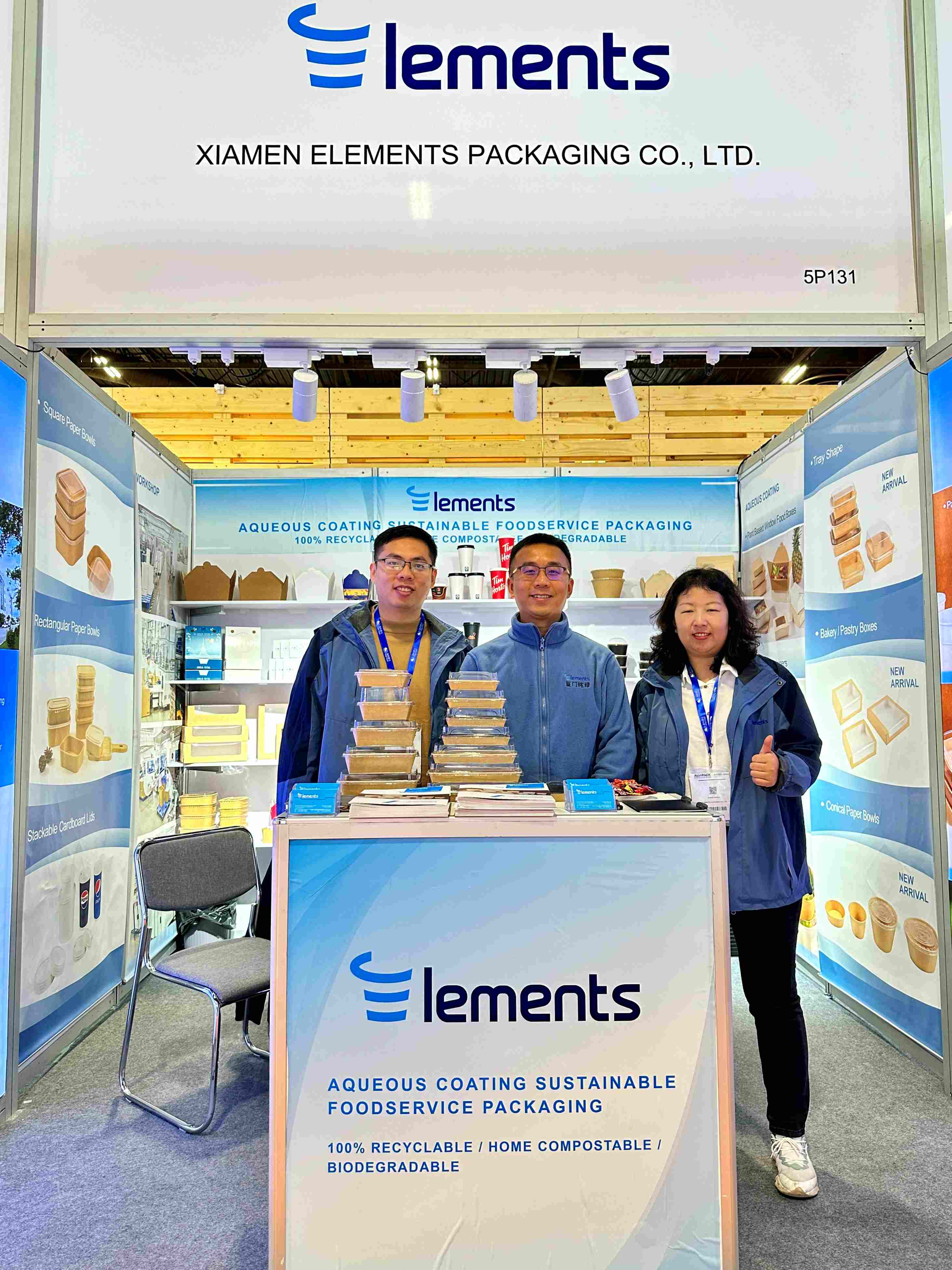
    新年が始まり、昨年の10月と11月に参加した3つの素晴らしい博覧会を振り返りますが、それは非常に実り多い旅でした。私たちは、広州で開催された権威ある広州交易会、パリで開催された素晴らしい ALL4PACK 展示会、そして魅惑的なサウジアラビアで開催された魅惑的な SAUDI HORECA イベントに参加しました。 私たちは、持続可能性とグリーン環境活動の価値を強く信じており、地球との調和のとれた共存を育む上での不可欠な役割を認識しています。 環境に優しい食品包装ソリューションを通じて、より美しい地球を創造するという当社の献身が、当社の成功の原動力となっています。 今後開催されるこれらの展示会は、お客様のニーズに合わせて特別にカスタマイズされた、さらに優れた食品包装ソリューションを発表するためのプラットフォームとして機能します。 可能性に満ちた世界において、私たちは常に限界を押し広げ、期待を超えるために進化しながら、進歩するお客様の揺るぎないパートナーとなるよう努めています。 イノベーションと持続可能性が最優先され、私たちが共有する願望の本質を凝縮した未来に向けて、この魅力的な旅に一緒に乗り出しましょう。  
  • 紙コップは何に使えるの? 紙コップは何に使えるの? Mar 06, 2024
    使い捨て紙コップ 私たちの生活に欠かせないアイテムですが、何に使えるのでしょうか?1. 飲み物: 通常、飲み物を入れるために使い捨ての紙カップが使用されます。どちらもコーヒー、紅茶、ホットチョコレートなどの温かい飲み物を入れることができ、ジュース、ソーダ、アイスコーヒー、アイスクリーム、アイスティーなどの冷たい飲み物を入れることもできます。2. 流動食: 使い捨て紙コップ お粥、ヨーグルト、ミルクセーキ、ソースなどを入れるのに使用できます。3. 固形食品: フルーツ、サラダ、クッキー、スナック全体として、 紙コップ とても柔軟です。好きな飲み物や食べ物を入れるのに使用できます。
  • さまざまな形のサラダボウルで生活に新鮮さをもたらします さまざまな形のサラダボウルで生活に新鮮さをもたらします Mar 06, 2024
    実用性と安定性の理由から、 使い捨ての紙ボウル 市販されているものは丸い形でデザインされているのが一般的です。ただし、特定の機会のニーズを満たすために、 四角い紙ボウル そして 長方形の紙ボウル。消費者は実際の状況に応じて、使用したい紙ボウルの形状を自由に選択できます。四角い紙ボウルの利点は次のとおりです。1. 積み重ねや保管に便利:正方形の紙ボウルは積み重ねるとより緊密で安定し、スペースをとらず、保管や輸送に便利です。2.大容量:四角いボウルのデザインにより、より多くの食べ物を入れることができ、ソーセージ、フライドフィッシュなどの長い食べ物を入れることができます。3.多目的:サラダ、ランチランチなどを提供することに加えて、特別な形のケーキ、ドーナツ、クッキー、その他のデザートを提供するためにも使用できます。生活に新鮮さをもたらし、食べ物を入れる際の選択肢を増やしたい場合は、さまざまな形の紙ボウルをぜひご購入ください。
  • 使い捨ての紙コップは会社のパントリーや休憩室に欠かせないものです 使い捨ての紙コップは会社のパントリーや休憩室に欠かせないものです Mar 06, 2024
    従業員は勤務時間中に水分を補給し、精神的に注意を払う必要があるため、パントリーでは飲み物を入れるために使い捨てカップがよく使用されます。使い捨て紙コップには次のような利点があります。1. 衛生と安全。の用法 使い捨てカップ パントリー内に設置すれば、相互汚染や細菌の増殖を心配する必要がなくなり、従業員の健康を守り、病気の蔓延を防ぐことができます。2. 環境保護と省エネ。 使い捨て紙コップ 自然環境中で分解しやすいだけでなく、使用後もリサイクル可能です。これにより、天然資源の消費が効果的に削減されます。3. 軽量で持ち運びが簡単です。紙コップはガラスコップに比べて軽くて割れにくいため、誤って落下しても従業員が怪我をすることがありません。同時に、紙コップを洗う必要がないため、時間と人的資源が大幅に節約されます。4. 多様なデザイン。使い捨ての紙コップに企業のロゴや価値観を印刷できるため、ブランドイメージや企業文化を表現する機会が増えます。要約すると、 使い捨て紙コップ パントリーとラウンジでは、衛生、環境保護、利便性、公共性が考慮されており、良好な労働環境を作り出し、職場での従業員の幸福感を高めています。
  • 使い捨てコーヒー紙コップとは何ですか? 使い捨てコーヒー紙コップとは何ですか? Dec 11, 2023
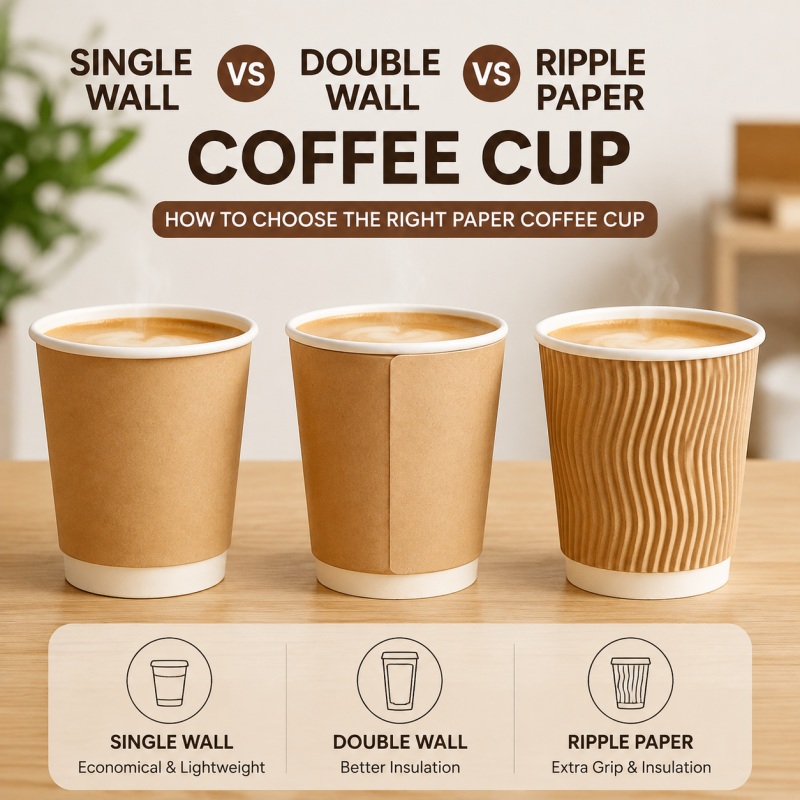
    使い捨てコーヒー紙カップは、温かい飲み物や冷たい飲み物を提供するために使用される紙カップで、通常、コーヒーショップ、飲み屋、ケータリング業者、またはその他のテイクアウト場所で使用されます。通常、カップの内側には 1 層以上の紙の層があり、カップの耐熱性と耐水性を高めるコーティングが施されています。使い捨てコーヒー紙カップはシングルウォールカップに分類できます。 二重壁カップ, リップルウォールカップと エンボスウォールカップ さまざまなデザインに従って。中でもダブルウォールカップや リップルウォールカップ より優れた断熱性と保温効果があります。当社の使い捨てコーヒー紙カップは環境に優しいパルプと環境に優しいコーティングで作られているため、使用後はリサイクルして分解することができ、環境への影響を大幅に軽減します。
  • 紙ボウルは生分解性ですか? 紙ボウルは生分解性ですか? Dec 11, 2023
    紙ボウル 通常、パルプまたは紙素材から作られているため、生分解性があります。紙は天然繊維 (木材パルプなど) から作られており、適切な条件下で自然に分解および劣化します。したがって、ほとんどの紙ボウルは適切な環境で生分解されます。ただし、 紙ボウル 効果的に分解するには、次の条件を満たす必要があります。1. 適切な処理環境: 紙ボウルは通常、商業用堆肥化施設または産業用堆肥化システム、または家庭用堆肥化で処理する必要があります。これらの施設では、紙ボウルの分解と劣化を促進するために、湿度、温度、酸素などの要因が優先および制御されています。2. 適切な条件と時間: 紙ボウルの分解速度は、紙の厚さ、パルプの種類、処理条件などの多くの要因によって異なります。通常、紙製のボウルは完全に劣化するまでに数か月から数年かかります。一方、それを確実にするために、 紙ボウル 効果的に分解して自然に還すことができるため、ポイ捨てせずに適切にリサイクルして処分する必要があります。
  • 冷たい飲み物の紙コップとは何ですか? 冷たい飲み物の紙コップとは何ですか? Dec 04, 2023
    冷たい飲み物の紙コップは、冷たい飲み物や冷たい飲み物を入れるために特別に使用される紙コップの一種です。通常は特殊な紙素材で作られており、一定の防水性能と優れた保冷性能を備えています。冷たい飲み物の紙コップは通常二層になっており、内層は防水コーティング、外層は保護層となっており、冷たい飲み物の温度を効果的に遮断し、紙カップの軟化や漏れを防ぎます。また、多くの場合、ほとんどの冷たい飲み物や冷たい飲み物を収容できる大容量を備えており、便利な飲み口のデザインと安定した底部サポートを提供します。冷たい飲み物の紙カップを使用すると、カップをリサイクルして再生できるため、環境への影響を軽減しながら、冷たい飲み物をより簡単かつ衛生的に楽しむことができます。
  • 二重壁紙カップとは何ですか? 二重壁紙カップとは何ですか? Dec 04, 2023
    二重壁紙カップは、紙カップと外側のパッチで構成される特別に設計された紙カップです。この構造により、二重壁紙紙カップの保温性・断熱性が向上します。 二重壁紙カップは通常、コーヒー、紅茶、ホットチョコレートなどの温かい飲み物を提供するために使用されます。紙カップの外層と空気層の間に断熱層が形成されるため、外側の温度が下がります。層が比較的低く、手が過熱したように感じず、より良いグリップと使用体験を提供します。内側のボール紙層は防水コーティングで処理されており、熱い飲み物が紙カップの外層に浸透するのを防ぎます。 二重壁紙カップのデザインは熱を効果的に遮断し、火傷を防ぎ、温かい飲み物をより長く温かく保ちます。
1 2 3 4

A total of4pages

伝言を残す

伝言を残す
当社の製品に興味があり、詳細を知りたい場合は、ここにメッセージを残してください。できるだけ早く返信いたします。
参加する

製品

whatsApp

コンタクト