What Should You Ask a Paper Cup Manufacturer Before Placing a Bulk Order?
Nov 17, 2026Placing a bulk order for paper cups is an important purchasing decision for coffee shops, restaurant chains, beverage brands, distributors, and foodservice businesses. Choosing the right paper cup manufacturer involves more than comparing unit prices. Material quality, cup construction, coating performance, printing accuracy, production capacity, and delivery reliability can all affect the final result.
Before committing to a large order, buyers should ask suppliers specific questions about their manufacturing capabilities and product specifications. A reliable supplier should be able to explain available paper cup options, provide samples, clarify minimum order quantities, and confirm quality inspection procedures.
For businesses sourcing custom disposable paper cups, Elements Packaging offers different cup structures, material options, and customization services to support beverage packaging requirements. This guide explains what buyers should ask before placing a bulk paper cup order and how to evaluate a supplier more effectively.
The first question to ask a paper cup manufacturer is what paper materials are available and whether they are suitable for your intended application.
Paper quality affects cup stiffness, shape retention, printing results, and overall performance. Buyers should ask about the paperboard grade, paper weight, fiber source, and whether the material is suitable for hot or cold beverages.
Depending on the product requirements, manufacturers may offer virgin wood pulp paper, bamboo fiber paper, kraft paper, or other suitable paper materials. The final selection should consider beverage temperature, filling conditions, storage requirements, and applicable food-contact regulations.
It is also important to confirm whether the manufacturer can provide material specifications or supporting documentation. Instead of accepting a general description such as food-grade paper, ask for details about the actual material used in your order.
For example, buyers looking for insulated takeaway packaging can explore double wall paper cups, which use an additional outer paper layer to improve insulation and make hot beverages more comfortable to hold.
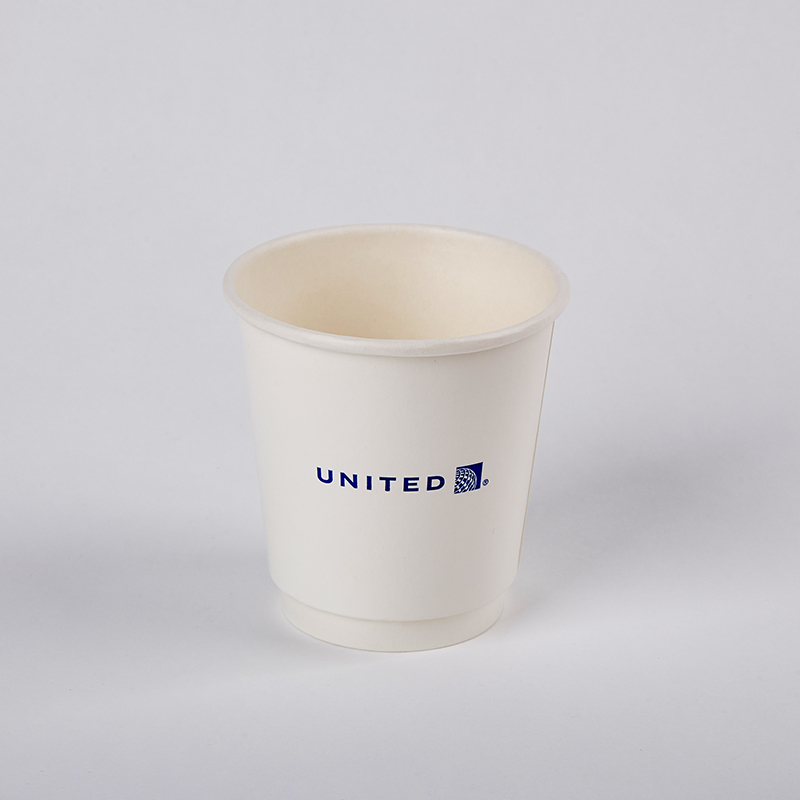
Not all paper cups are designed for the same beverages or serving environments. Before requesting a quotation, buyers should confirm the available capacities, dimensions, and cup structures.
Common purchasing options include:
Ask whether the supplier can produce the required cup capacity and dimensions, including top diameter, bottom diameter, and cup height. These measurements are important because two cups with the same nominal capacity may not have identical dimensions.
ElementsCup provides different custom paper cup styles for hot and cold beverage applications, helping buyers select a structure according to their product and serving requirements.
The coating or lining is another important factor when purchasing paper cups in bulk. It helps create a liquid barrier and affects the cup's suitability for different beverages.
Ask the manufacturer which coating options are available and what applications they are designed for. Common options include:
Buyers should not assume that all products described as biodegradable, recyclable, or compostable have the same environmental performance. Ask for the exact coating specification, applicable certifications, testing conditions, and disposal requirements for the finished cup.
For businesses prioritizing alternative barrier technologies, aqueous barrier coating paper cups are worth discussing with the supplier. If compostability is a purchasing requirement, also review the available compostable PLA paper cups and confirm which certifications apply to the specific product.
For coffee shops, restaurant groups, beverage chains, and private-label brands, custom printing is often an essential part of paper cup purchasing.
Ask the supplier whether it can print your company logo, brand colors, promotional graphics, and other design elements. You should also confirm the supported printing methods, available color options, artwork requirements, and printing limitations.
Before approving a custom design, clarify the following details:
It is particularly important to confirm the artwork before mass production. A small difference in logo positioning, color consistency, or printing alignment can become a significant problem when ordering thousands of cups.
Buyers should also ask whether different cup sizes can share the same artwork and whether separate printing plates or setup costs will apply.
Minimum order quantity, commonly called MOQ, directly affects purchasing budgets, inventory planning, and the overall cost of custom paper cups.
Ask the manufacturer whether its MOQ is calculated per cup size, design, printing artwork, or total order quantity. This distinction matters when a business needs several cup sizes or different branded designs in the same purchasing cycle.
For reference, ElementsCup lists a 50,000-piece MOQ for its custom printed ripple wall paper cup product. Its published product specifications also show that actual customization options include size, color, logo, lining, and packaging. Buyers should confirm the current MOQ and commercial terms for their specific requirements before ordering.
Other questions worth asking include:
A clear MOQ discussion helps buyers avoid unexpected purchasing costs and choose an order quantity that matches their actual demand.
Sample approval is one of the most useful steps before placing a large paper cup order. Product descriptions and photographs cannot fully demonstrate how a cup performs during actual use.
Ask whether the supplier can provide existing samples or produce a pre-production sample based on your specifications. For custom orders, the sample should represent the intended paper material, cup structure, coating, printing design, and dimensions as closely as possible.
When evaluating a sample, pay attention to:
Once the sample is approved, ask the supplier to keep it as a production reference. Any subsequent changes to materials, dimensions, or artwork should be confirmed before manufacturing begins.
Production lead time is an important consideration for businesses that need to maintain stable inventory or prepare for seasonal demand.
Ask the paper cup manufacturer how long production normally takes after artwork approval, sample confirmation, and order payment. Also clarify whether the quoted lead time includes raw material preparation, printing, cup forming, inspection, and packing.
For example, ElementsCup lists an approximately 30-day lead time for its custom printed ripple wall paper cup product. This is a product-specific reference rather than a guaranteed delivery schedule for every order. Actual production time should be confirmed according to order quantity, printing requirements, material availability, and factory scheduling.
It is also helpful to ask whether the supplier can accommodate urgent repeat orders and how it handles unexpected production delays. Buyers should distinguish manufacturing time from shipping time when planning their purchasing schedule.
Quality control should be discussed before an order is placed, not after the products have been delivered.
A professional paper cup supplier should be able to explain its inspection procedures and identify which production stages are checked. Buyers should ask whether quality inspections cover raw materials, printing, cup forming, sealing, finished product appearance, and packaging.
Important quality checks may include:
It is also worth asking how defective products are handled and whether inspection records can be provided when necessary.
ElementsCup describes its paper cup quality procedures as including product testing, manual inspection, and sampling by its quality department. Buyers can discuss the inspection requirements for their own orders before production to make sure the quality expectations are clearly understood.
Food-contact packaging requirements vary depending on the destination market, product materials, and intended use. Buyers should therefore ask what certificates and test reports are available for the specific paper cup being purchased.
Rather than relying on general statements such as certified or eco-friendly, request the relevant documentation and check whether it applies to the actual finished product.
Depending on the market and product specification, buyers may need to review:
For example, a compostability certificate should be checked against the exact product, including its coating and other components. A certificate for a raw material alone does not automatically establish that the complete finished cup is compostable.
Buyers should also confirm whether the documents meet the requirements of their target country or region before finalizing the purchase.
Packaging is another detail that should not be overlooked when purchasing paper cups in large quantities. Poor packaging can expose cups to dust, moisture, deformation, or damage during transportation.
Ask the manufacturer how many cups are packed in each sleeve and carton, what protective packaging materials are used, and whether customized carton labels are available.
For example, ElementsCup lists the following packaging details for its ripple wall paper cups:
These specifications provide a useful reference, but buyers should confirm the final packing arrangement for the selected product and order.
For international shipments, it is also important to clarify carton dimensions, gross weight, pallet requirements, shipping terms, and the estimated transportation schedule. This information helps importers calculate landed costs and arrange warehouse storage more efficiently.
Paper cups are often purchased as part of a complete beverage packaging solution. A cup that performs well on its own may still cause problems if the lid does not fit correctly.
Ask the manufacturer whether it can supply compatible lids and other takeaway accessories. Before placing a bulk order, check the lid diameter, rim profile, fit, drinking opening, and suitability for the intended beverage.
It is better to test the complete cup-and-lid combination rather than assuming that products with the same nominal capacity are automatically compatible.
Businesses that need coordinated takeaway packaging can also explore paper cup lids and other lid options from ElementsCup. Depending on the application, additional accessories such as cup sleeves, holders, and paper straws may also be considered.
Working with a supplier that can coordinate multiple packaging components may simplify purchasing communication and product matching.
After collecting the necessary information, buyers should compare supplier quotations based on the same product specifications. Looking at unit price alone can lead to an inaccurate purchasing decision.
A useful quotation comparison should include:
For example, two suppliers may quote different prices for a 12 oz custom paper cup. However, one quotation may include a different paper weight, coating, printing specification, or packaging arrangement. These differences can affect both product performance and the final landed cost.
The best supplier is not necessarily the one offering the lowest unit price. Consistent quality, clear communication, suitable customization options, and dependable delivery are equally important when building a long-term purchasing relationship.
Choosing a paper cup supplier requires a clear understanding of product capabilities, manufacturing requirements, and quality expectations. Elements Packaging provides different paper cup solutions for beverage brands, coffee shops, distributors, and foodservice businesses.
Its paper cup range includes single wall, double wall, ripple wall, embossed double wall, cold drink, and alternative coating options. Buyers can discuss customization requirements such as cup size, color, logo, lining, and packaging according to their project needs.
ElementsCup also provides other food and beverage packaging products, allowing businesses to explore coordinated packaging solutions from one supplier.
Before placing an order, buyers can share their target cup capacity, intended beverage, preferred material, printing artwork, and estimated purchasing quantity to help clarify the suitable product specifications.
To discuss your requirements, visit ElementsCup and contact the team for product information and a customized quotation.
What should I ask a paper cup manufacturer before placing a bulk order?
Ask about paper materials, cup sizes, structure, coating options, printing capabilities, MOQ, sample availability, production lead time, quality inspections, certifications, packaging, and shipping arrangements. These details help you evaluate whether the supplier can meet your purchasing requirements.
What is the typical MOQ for custom paper cups?
The MOQ depends on the manufacturer, cup structure, printing requirements, and order specifications. For example, ElementsCup lists a 50,000-piece MOQ for its custom printed ripple wall paper cup. Buyers should confirm the MOQ for their selected product and design.
Can I request a sample before ordering paper cups in bulk?
Yes. Buyers should request samples to evaluate cup dimensions, material quality, printing appearance, liquid resistance, and lid compatibility. For customized orders, a pre-production sample is particularly useful before approving mass production.
Which paper cup structure is best for hot coffee?
Double wall and ripple wall paper cups are commonly considered for hot coffee because their additional outer layers help improve insulation and handling comfort. The final choice depends on beverage temperature, cup specifications, and whether sleeves are required.
Are PLA-coated and water-based coated paper cups the same?
No. PLA coating and water-based barrier coating are different technologies with different material compositions and performance characteristics. Buyers should compare the actual coating specifications, certifications, and disposal requirements before choosing either option.
How long does bulk paper cup production take?
Production time depends on order quantity, material availability, printing complexity, and factory scheduling. ElementsCup lists approximately 30 days for its custom printed ripple wall paper cup, but buyers should confirm the schedule for their specific order.
Should I order paper cups and lids from the same manufacturer?
Purchasing cups and compatible lids from the same supplier can simplify product matching and communication. However, buyers should still test the complete combination to confirm that the lid fits securely and performs as expected.
How can I avoid quality problems in a bulk paper cup order?
Confirm all specifications in writing, approve a representative sample, clarify quality inspection procedures, and establish acceptable standards for dimensions, printing, sealing, and packaging before mass production begins.


No. 15-5 Rongyuan Road Xiamen